feeling cork,
living nature
The architecture of the senses and of the Earth
I. The root of dwelling
We are convinced that contemporary architecture should not erect barriers, but decisively return to cultivating relationships. At the origin of our vision is Philia, the purest and most selfless form of friendly love. When this affective tension is directed towards the living world, Biophilia flourishes: the biological and emotional connection that binds human beings to nature. Dwelling and building do not simply mean occupying a space, but nurturing a multisensory dynamic in which form, light and matter dialogue with our biological rhythms, helping to reduce stress and promote everyday well-being in enclosed environments.
II. Cork as material alchemy
From this synthesis of spatial research and sensitivity to matter, CorkPhilia comes to life: an interpretation of biophilia that elects cork as the mediator between people and the built environment. Cork is a natural, renewable resource with inherent properties of insulation, elasticity and warmth. Through our research and the use of breathable, low-VOC bio-mortars and bio-paints, we free the material from the classic logic of coating: cork is left exposed, enhanced in its grain, its unrepeatable texture and its visual and tactile identity. It is the meeting of applied technology and natural matter, conceived to combine technical performance with aesthetic essentiality.
III. Responding to the primary needs of modern people
CorkPhilia-inspired solutions and surfaces respond to the functional and emotional needs of the modern space. In terms of performance, combining cork with breathable systems supports thermal and acoustic comfort, hygrometric regulation and the improvement of the building’s overall energy efficiency. In perceptual terms, the presence of warm, textured surfaces dampens reverberation and softens the rigour of urban environments, turning homes, offices and communal spaces into places oriented towards comfort and the regeneration of the individual.
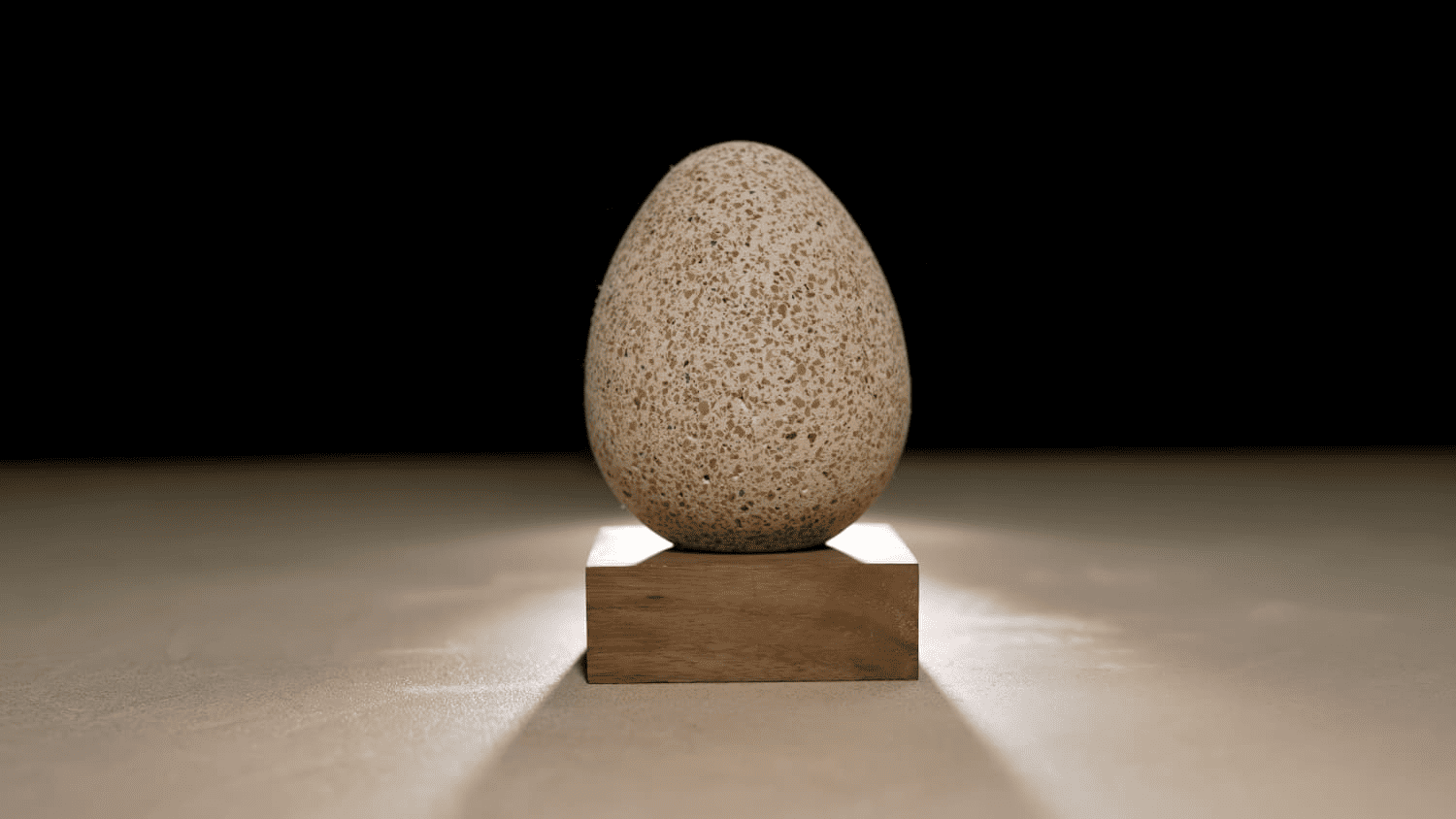
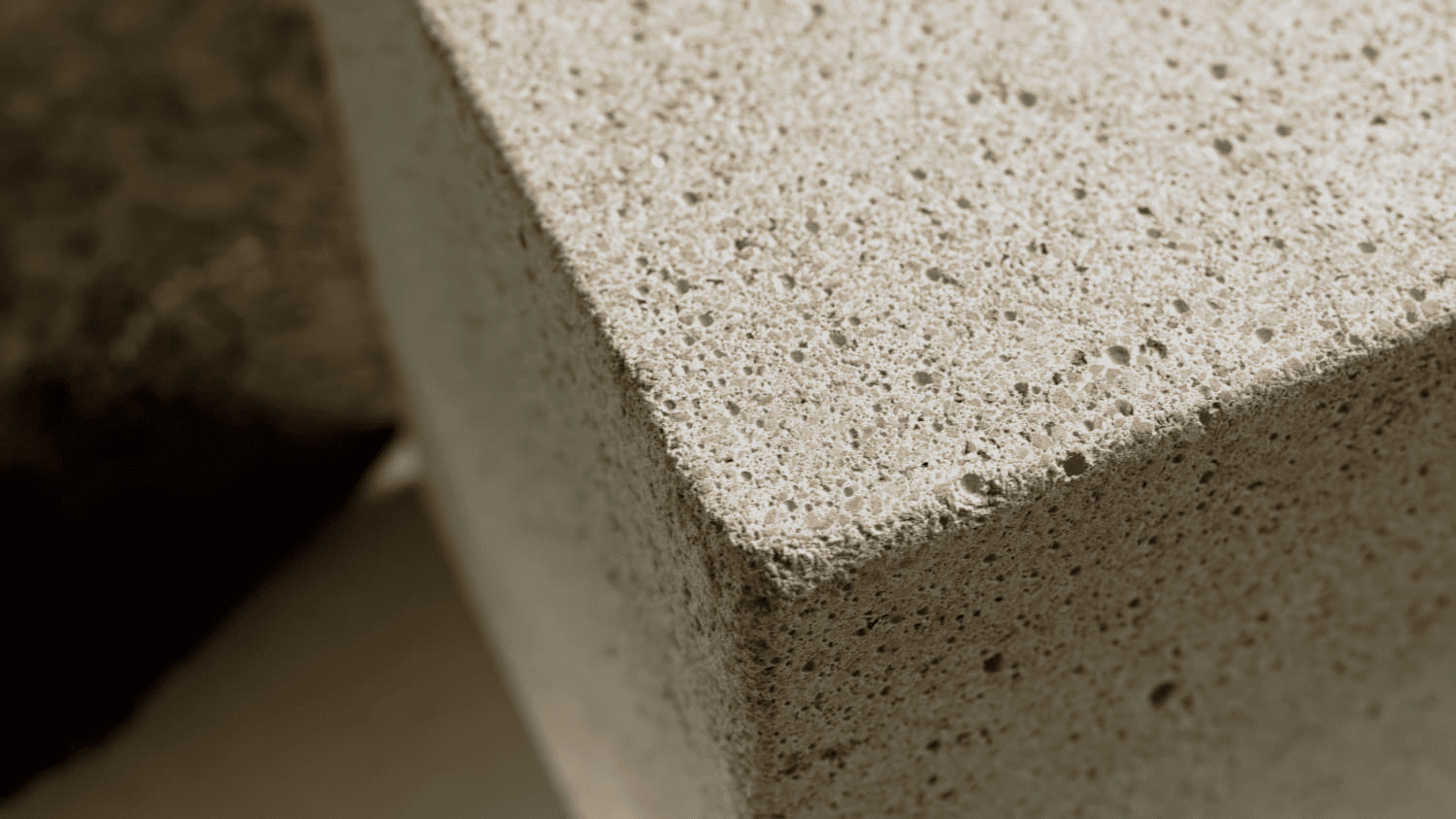
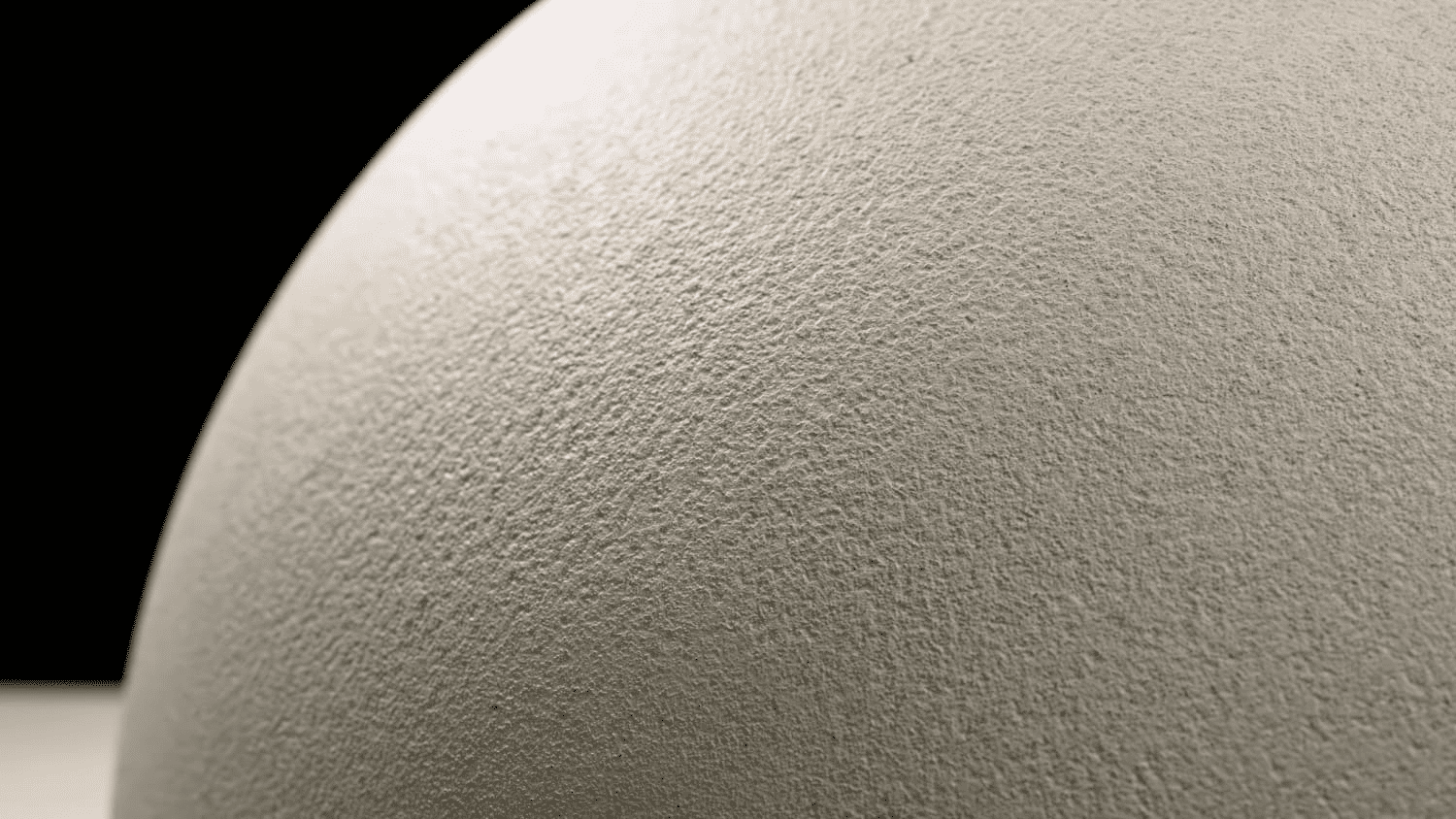
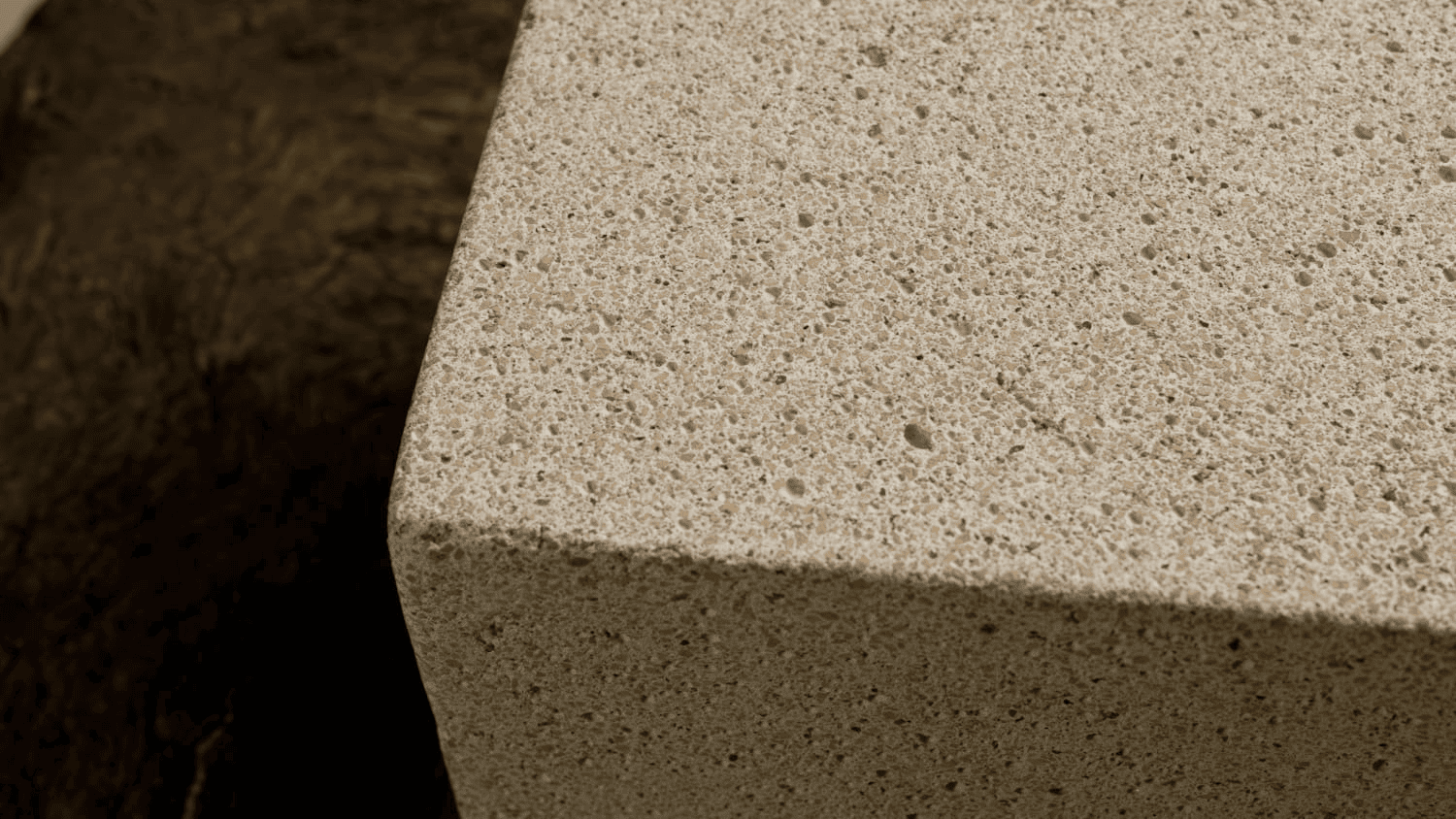
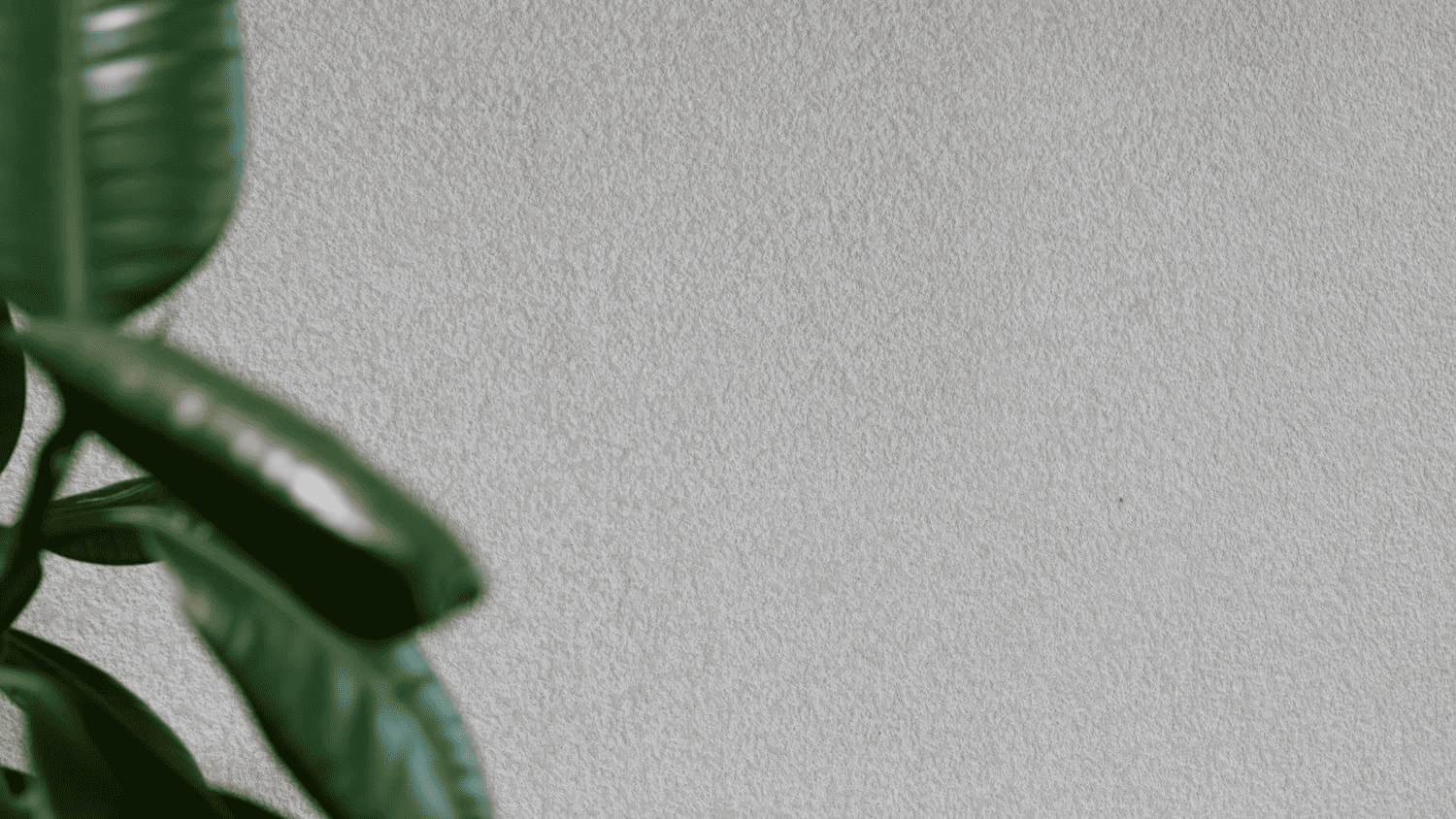
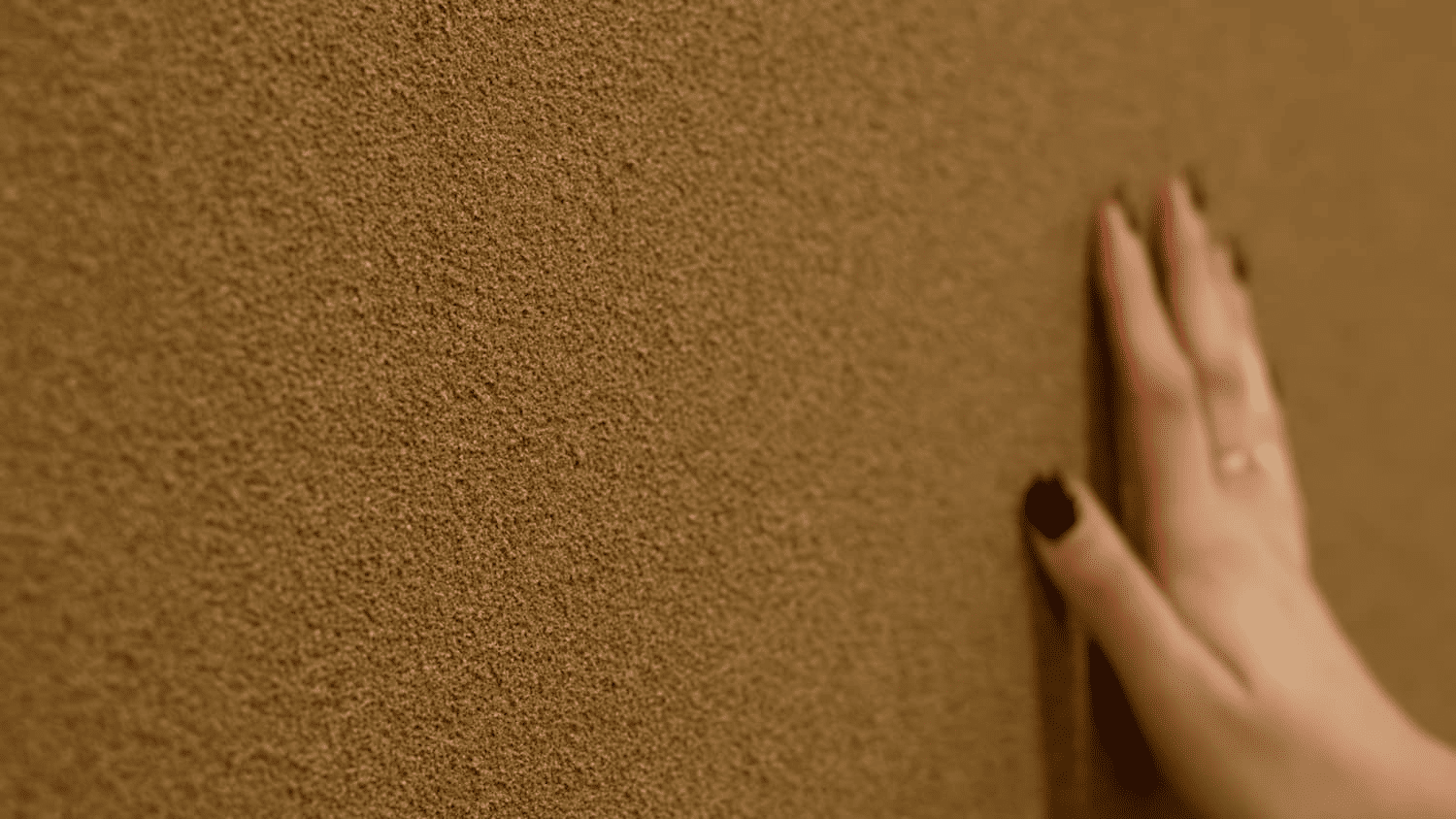
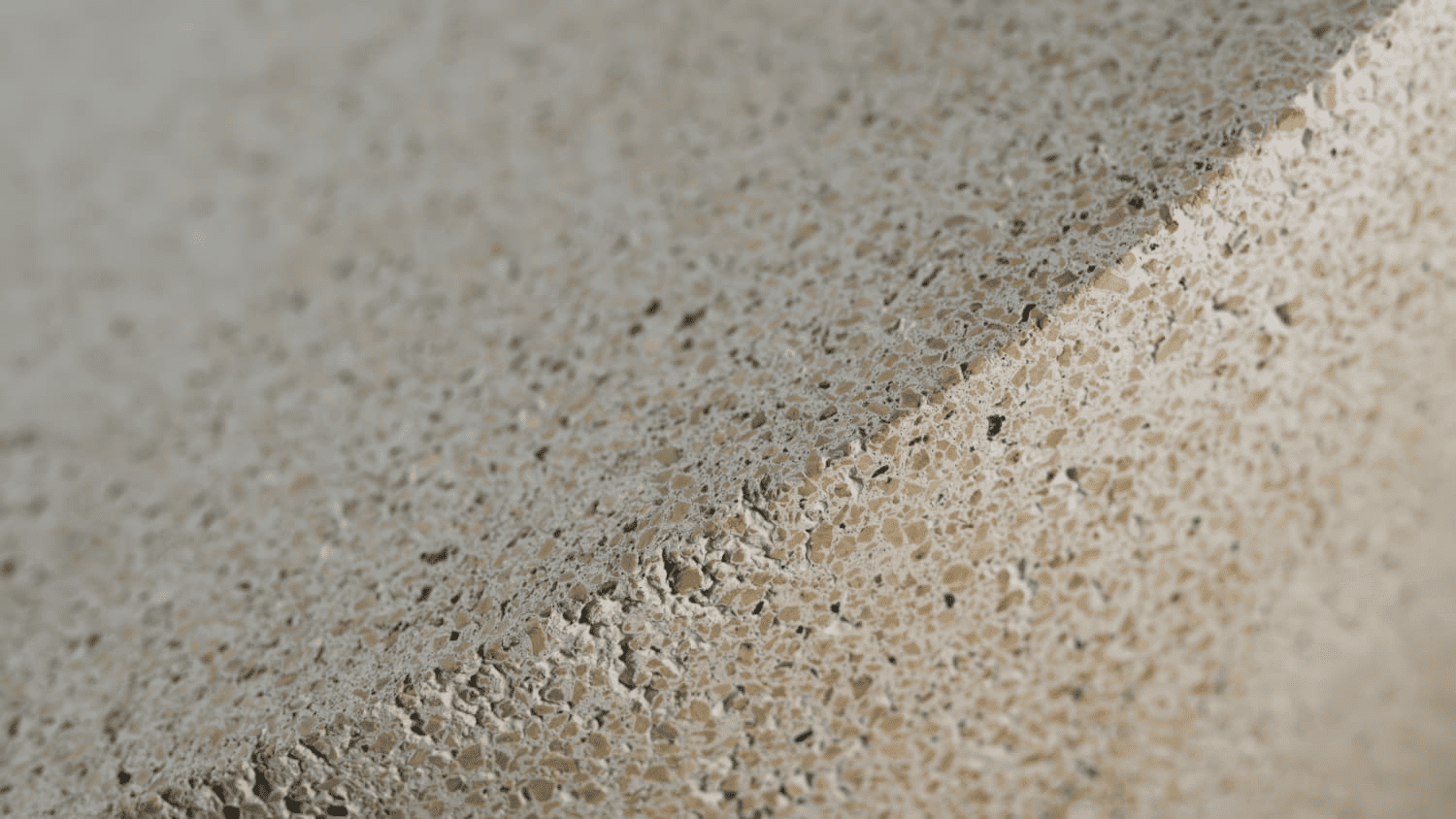
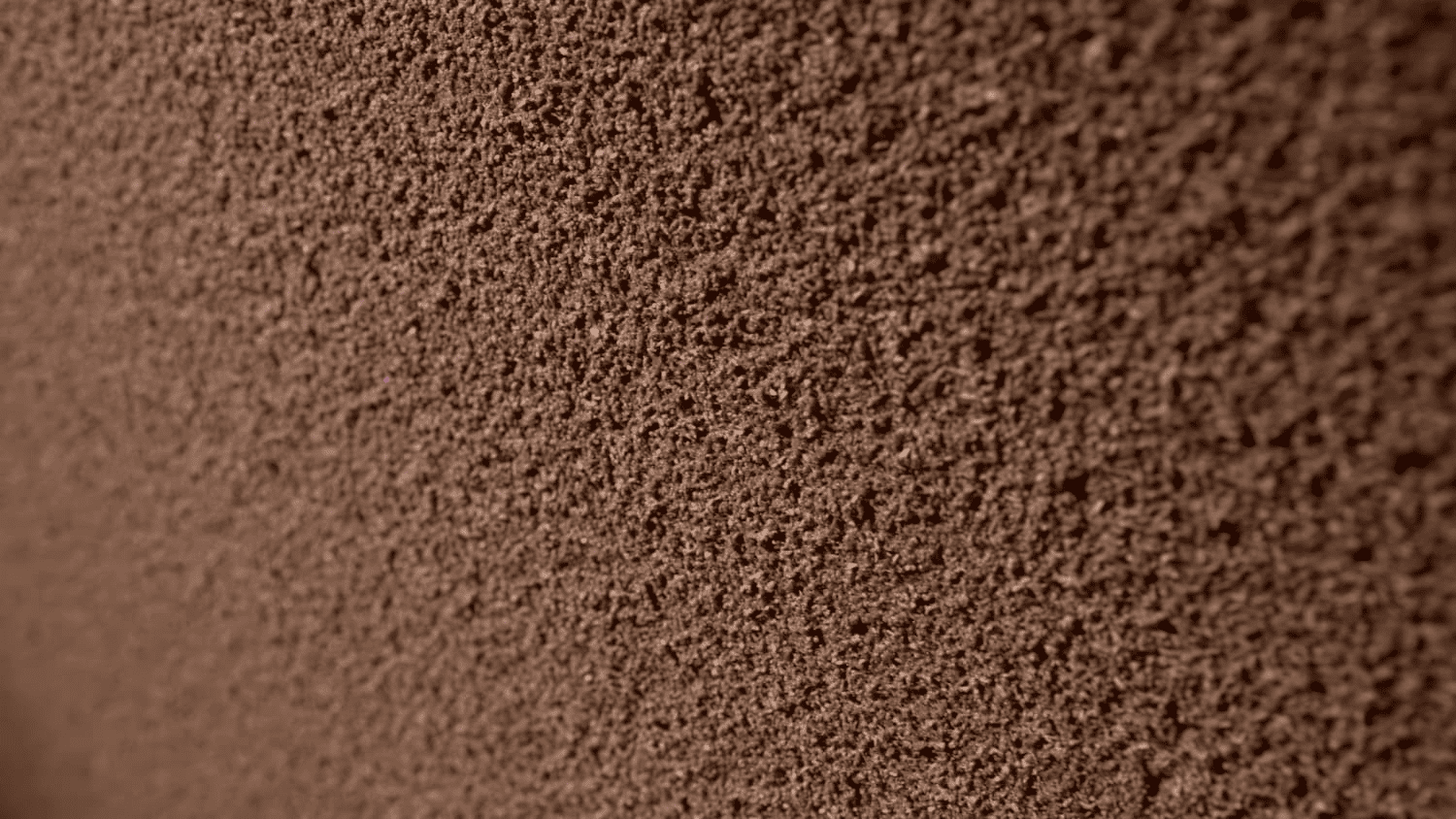
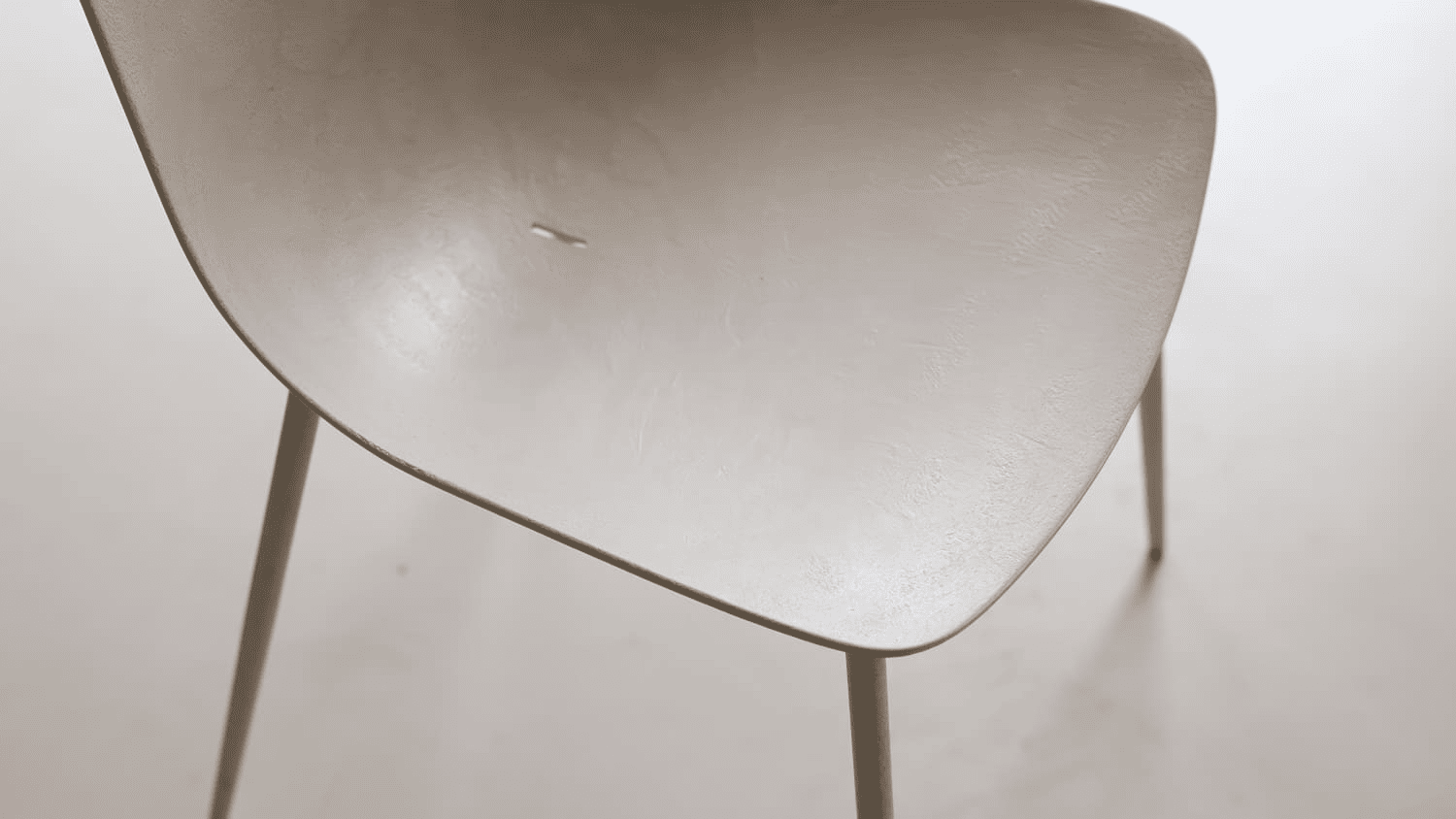
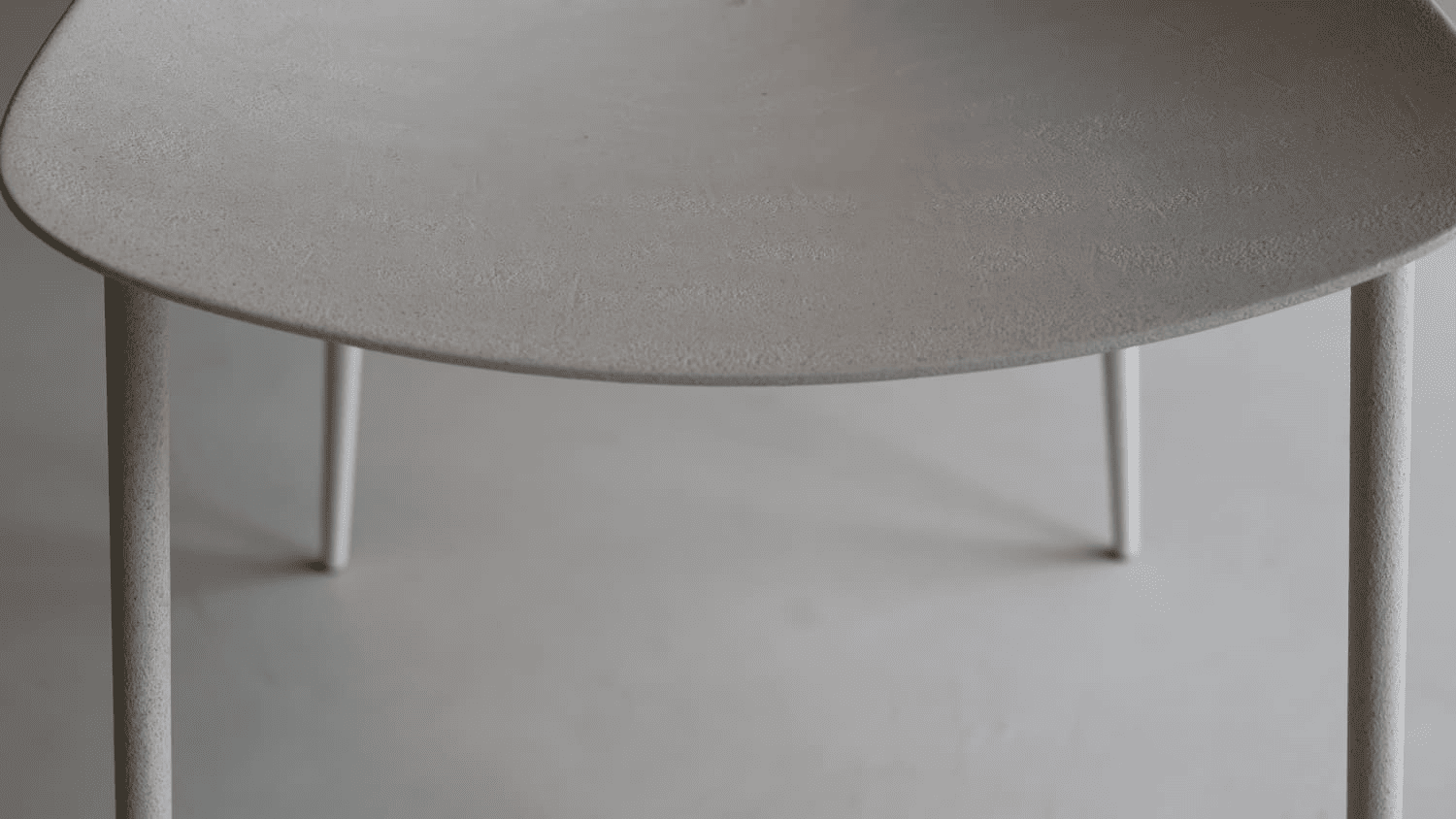
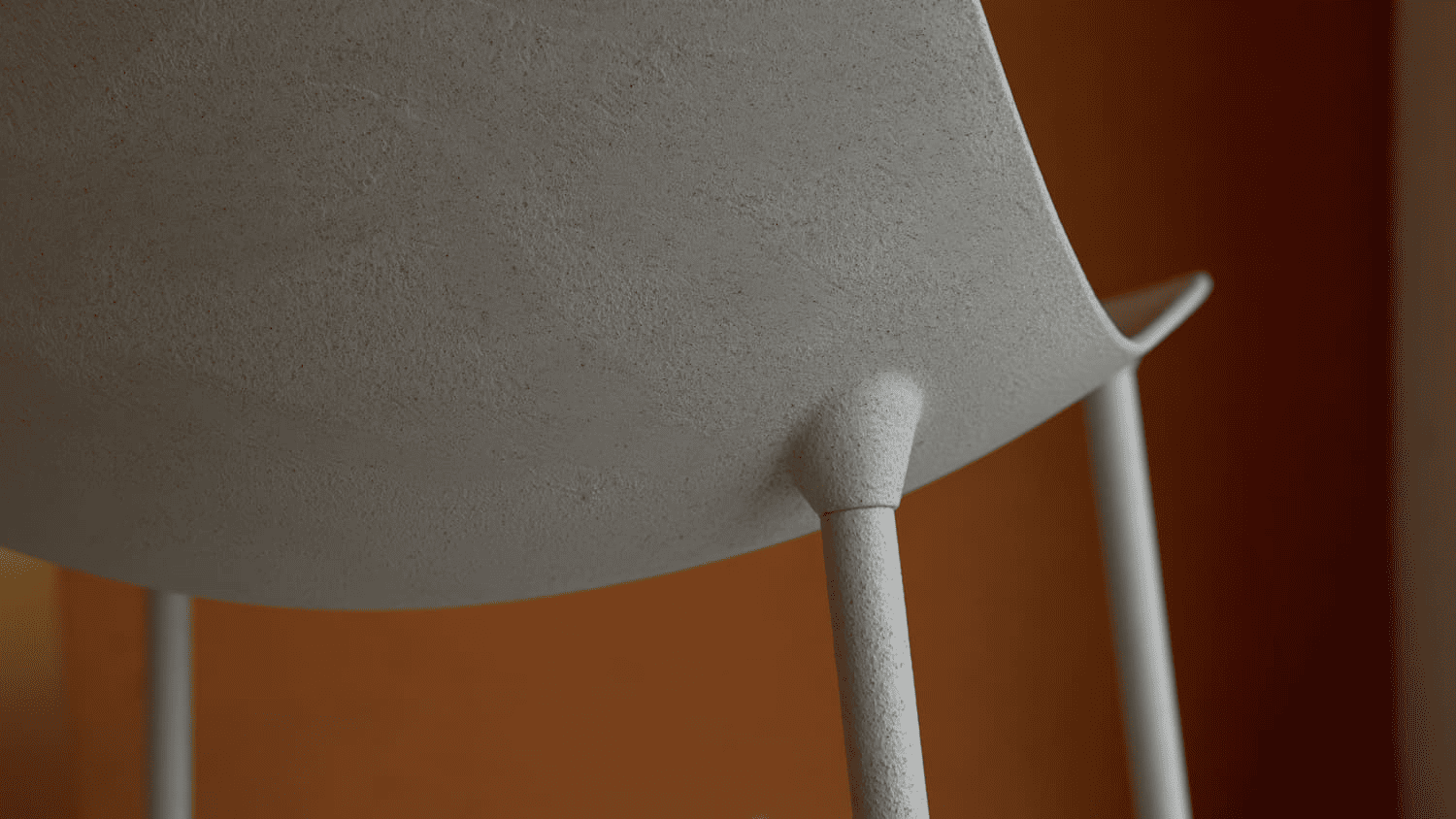
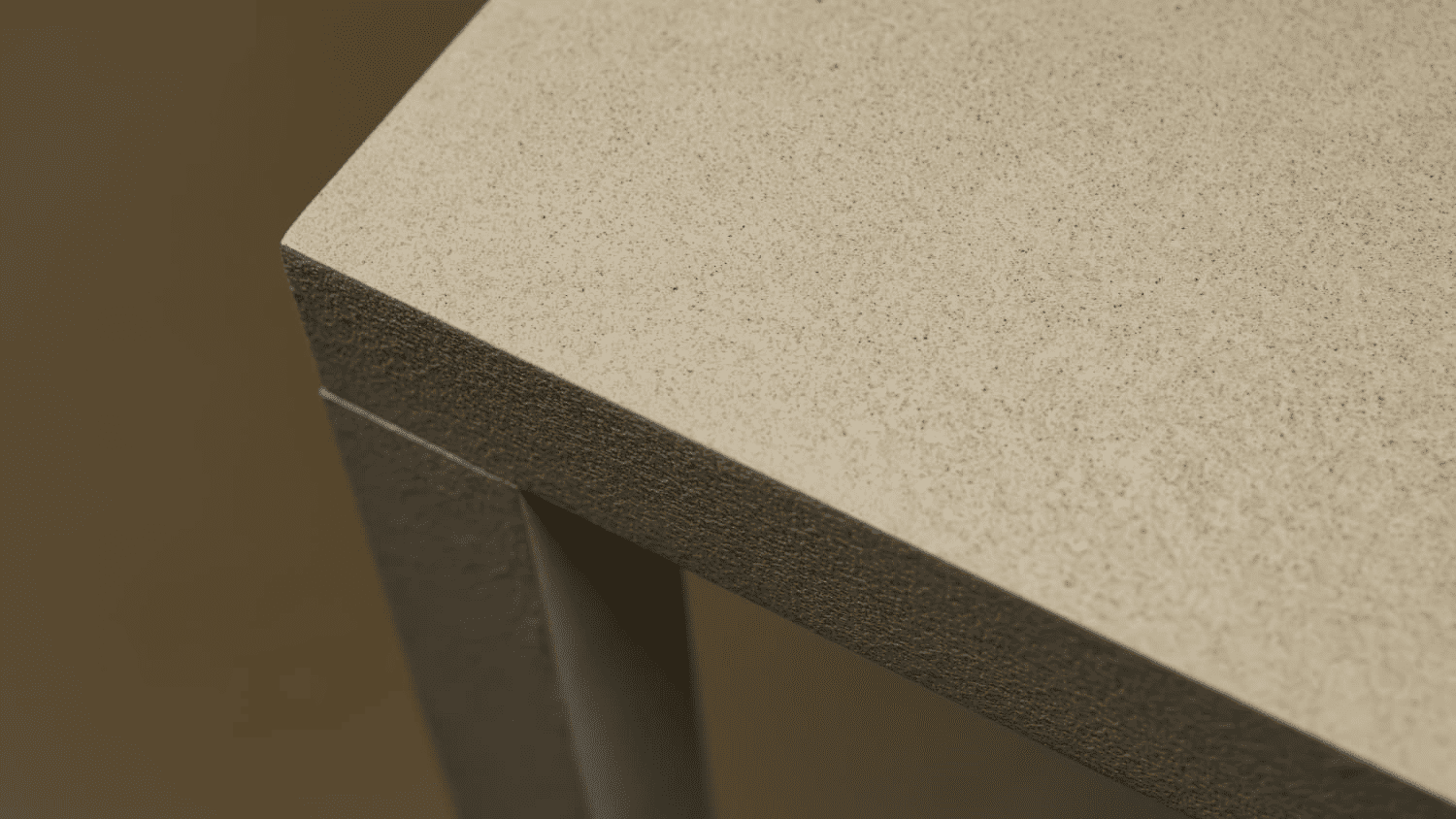
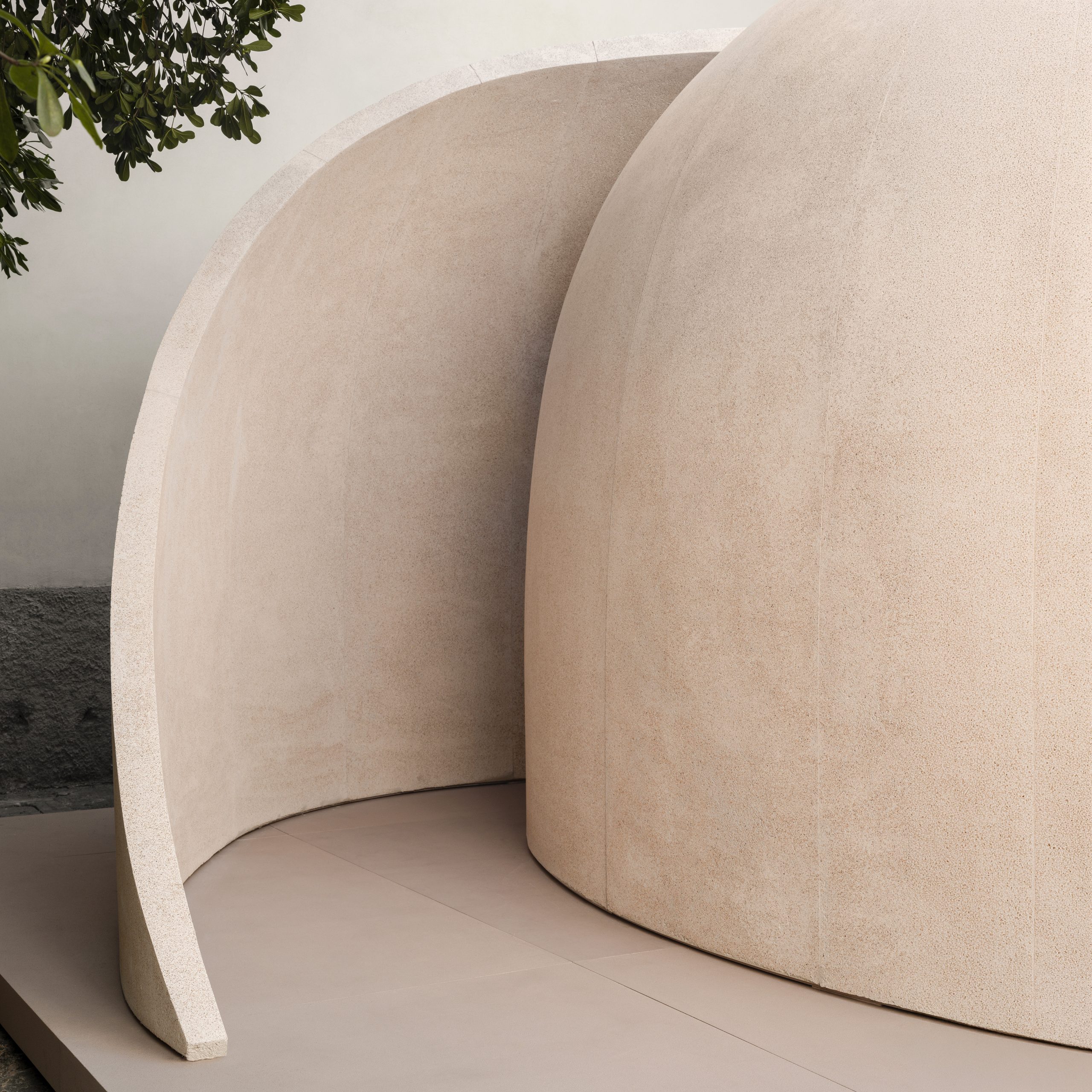
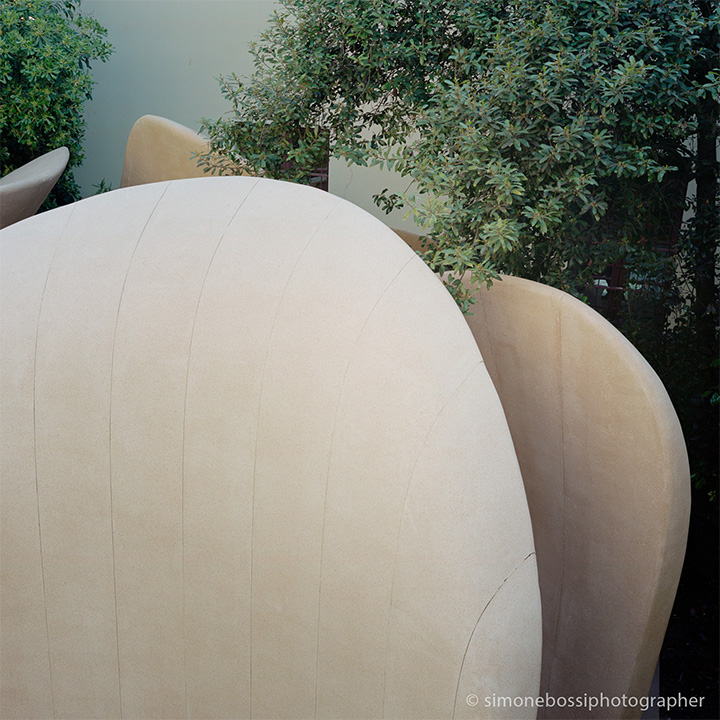
Rounded forms
The rounded forms embody the biophilic ideal because they align naturally with the movement of the hand tracing the tactile sensation of materials, with the free flow of thought and with the symbolism of everything that refers to the sensual and sensory dimension of things.
The universe and nature are a continuous offering of rounded forms. This is why such a form is a crucial element of biophilic design and of a relationship between people and architecture founded on empathy and well-being.
In short, CorkPhilia is a concept, a system and a vision of matter that favours rounded forms over the harshness of straight lines and sharp edges.
CorkPhilia:
bio-mortars and bio-paints
In autumn 2024 ADI, the Association for Industrial Design, included CorkPhilia in the ADI INDEX 2024 in the Design of Technologies and Materials category, the selection of design products by ADI’s permanent Observatory and the first step towards the 2026 Compasso d’Oro.
CorkPhilia has the advantage of versatility: it adapts to walls and floors alike and, with a single solution, addresses several aspects of comfort and design at once.
Through the insight of biophilia, architecture is changing its view of materials: from a corollary to the heart of the work. Exposed cork conveys, even in paints, a warm, tactile sensation that fosters positive impressions and a feeling of well-being at home. The Decork Mediterraneo bio-paint, based on cork and clay, makes it possible to create interiors with a material that combines colour, effects and biophilic elements.